
Is taekwondo good if I only want fitness and not competition?
- Taekwondo
- Taekwondo Fitness
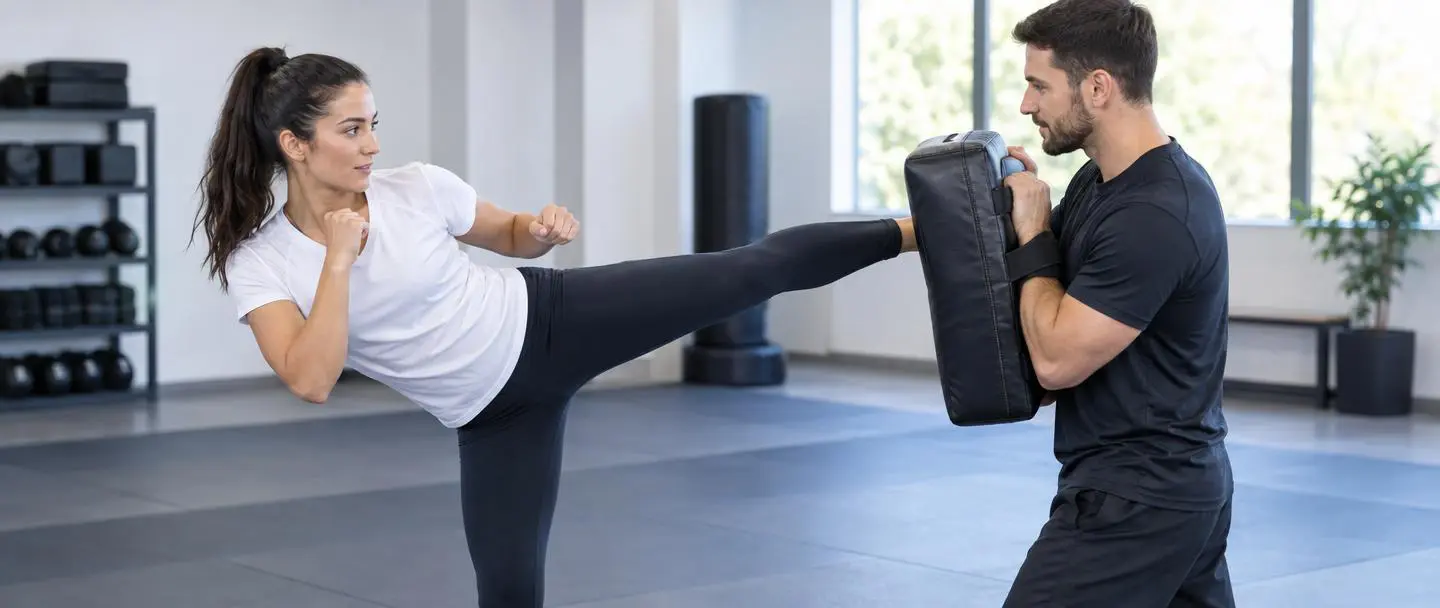
Yes, Taekwondo can be an excellent fitness choice even if you have no interest in ever stepping into a tournament ring. Regular classes work your cardiovascular system, build functional strength, improve flexibility, and sharpen coordination through kicking drills, forms practice, and pad work. Competition is one path within the sport, not a requirement, so training can be structured entirely around personal health, skill development, and enjoyment.

Written and reviewed by Moji "Ricky" Feizbakhsh
What Fitness Benefits Come From Taekwondo Training?
A typical class blends footwork drills, kicking combinations, forms (poomsae), and controlled partner work, which together deliver a full-body workout. You can expect improvements in heart and lung capacity, core and leg strength, balance, and flexibility. The repetitive, technical nature of the movements also builds coordination and body awareness that carries over into everyday activity and general physical confidence.
Can Classes Be Adapted for Non-Competitive Goals?
Instructors can adjust the intensity and focus of training based on what a student wants to get out of it. If your goal is fitness rather than trophies, you can spend more time on conditioning drills, technique refinement, and controlled sparring at a pace that suits your comfort level, while still following the same curriculum used by the wider class.
Do I Need to Spar or Compete to Progress?
Belt grading is generally based on technique, forms, discipline, and consistent attendance rather than tournament results. Sparring is often part of training because it develops timing and control, but the intensity can usually be scaled to match your goals, and entering competitions typically remains optional rather than mandatory for advancement.
Is Taekwondo a Good Fit for Adults and Kids Focused on Fitness and Character?
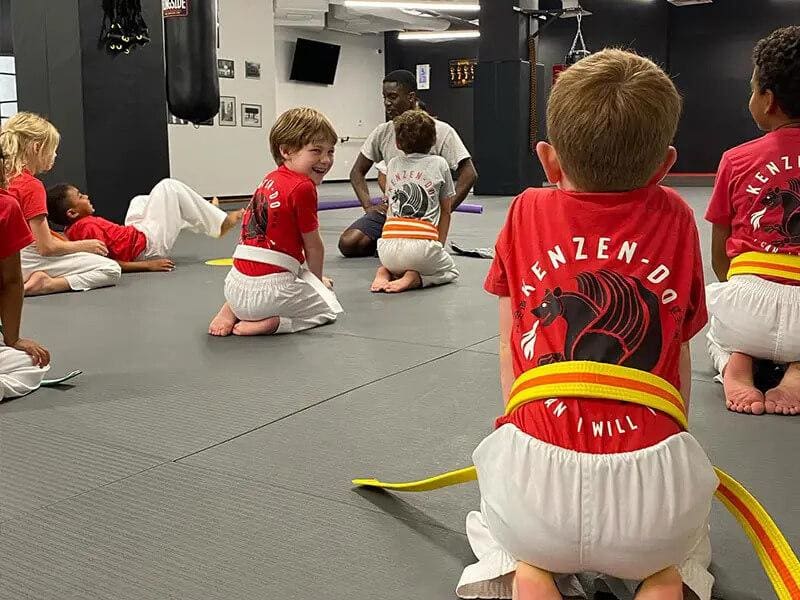
For adults, Taekwondo offers a structured way to stay active while building discipline and stress relief through focused, repetitive practice. For children ages 3 to 17, the same training environment often supports confidence, respect, and self-control alongside physical development, giving parents a program that grows with a child’s character as well as their fitness.
What Should You Consider Before Starting?
Before joining, think about your current fitness level, any past injuries, and how consistently you can attend class, since steady practice is what produces noticeable results over time. It also helps to speak with an instructor about your goals early on so your training plan reflects fitness and personal growth rather than competitive preparation.
Related questions
How often should someone train each week to see fitness results if competition isn't the goal?
Can a recreational taekwondo student progress through belts and improve technique without entering competitions?
Is sparring required for fitness-focused Taekwondo, or can controlled drills offer a challenging workout without competitive fighting?
Which fitness improvements should a recreational student track, such as endurance, strength, mobility, balance, or recovery between drills?
What should you tell your instructor if fitness is your main goal so training intensity and progression can be adjusted appropriately?


Talk to Instructor Moji "Ricky" Feizbakhsh About Your Fitness Goals

- Last updated: 29 September 2026